BLOG
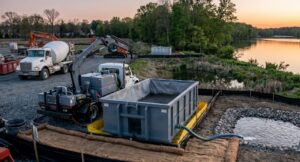
Concrete production is essential for infrastructure, but the byproduct of cleaning equipment poses significant environmental risks. Concrete Washout Solutions provides a specialized system designed to capture hazardous wastewater and solids, ensuring that construction sites remain compliant with environmental regulations while actively protecting local ecosystems from toxic runoff. Compliance with EPA Regulations The Environmental Protection Agency mandates strict guidelines for managing caustic…
...Read More
Construction projects demand rigorous site management, particularly when handling hazardous wastewater. If you are operating in the Garden State, partnering with a professional service for concrete washout in New Jersey is critical for regulatory compliance and environmental safety. NJ Washout is here to keep your project running smoothly. Protecting the Local Environment Improper disposal of cement wastewater can devastate local soils…
...Read More
Managing a construction site in New Jersey demands precision, especially regarding environmental compliance. At Concrete Washout Solutions, we provide rampless concrete washout containers designed to streamline your operations. These specialized bins offer a superior alternative to traditional pits, ensuring your project remains clean, compliant, and cost-effective from the first pour to the final inspection. Maximized Holding Capacity for Large Projects One…
...Read More
As the construction industry evolves, we are becoming increasingly aware of the footprint our projects leave on the local ecosystem. Managing construction waste disposal effectively isn’t just about site cleanliness; it is a vital act of environmental stewardship. At Concrete Washout Solutions, we believe that choosing the right equipment can prevent long-term damage to our natural resources. The Hidden Dangers of…
...Read More
Managing concrete slurry is a critical operational requirement for every New Jersey construction project. As industry leaders, we understand that the residual waste from trucks and pumps presents a significant environmental and regulatory challenge if not handled with precision. Selecting a dedicated partner for your site management ensures your project remains on schedule and in full compliance with state and federal…
...Read More
In New Jersey, managing concrete washout is more than just good practice—it’s the law. Understanding the specific NJDEP regulations is crucial for avoiding costly fines and protecting the local environment. At Concrete Washout Solutions, we strive to help you stay compliant; here’s what you need to know. What is the NJDEP and Why Does It Matter? The New Jersey Department of…
...Read More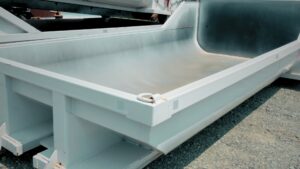
As professional contractors, we all understand that a successful project is defined by quality, efficiency, and compliance. Yet, one critical area often overlooked until it becomes a costly problem is proper concrete washout. In New Jersey, where environmental regulations are strictly enforced, failing to manage concrete slurry and wash water responsibly is a significant liability. At Concrete Washout Solutions, we recognize…
...Read More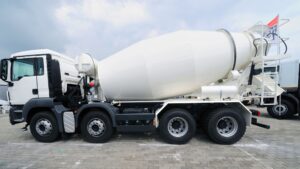
On a busy construction site, safety and efficiency are paramount. Our patented rampless concrete washout system was designed to excel in both areas, providing a superior alternative to traditional ramped bins. At Concrete Washout Solutions, we are committed to providing innovative solutions; reach out to learn more about how our containers can benefit your project. Enhanced Job Site Safety Without a…
...Read More
Navigating the winter construction season in New Jersey brings unique challenges, especially when it comes to managing concrete waste. Freezing temperatures can turn a routine concrete washout in New Jersey into a major compliance hazard if not handled correctly. At Concrete Washout Solutions, we understand that protecting your job site, avoiding fines, and upholding environmental responsibility are paramount, regardless of the…
...Read More
As construction managers, we recognize the crucial need to strike a balance between efficiency and adherence to strict environmental regulations. Managing disposal of concrete waste is one of the most critical and often overlooked aspects of site compliance. Failing to properly contain concrete washout water, which is highly alkaline and toxic, can result in substantial fines and project delays. That’s why…
...Read More